Friday, 21 August 2020

The Reason Why OKANAGAN is BURNING with Forest Fires

It looks like the #BC Lumber industry has a lot of explaining to do ... as #wildfires erupt in and around #logging zones and areas cleared of forest in #Revelstoke and the #Okanagan ... #Kelowna city went as far as even convincing the public that thinning out trees (i.e. further deforestation) would help prevent fires, which is actually just giving them a reason to actively LOG and URBAN DEVELOP those areas. Don't buy this tree thinning lie, because we all know how far wind can carry those lit ashes, which land on dried out timber fallen patches,  covered in  combustible  LOGGING debris.

It's time for the BC government and forestry / logging industry to take accountability for the increased fires that are occurring in our LUMBER driven BC province. They are cutting hundreds of thousands of trees each year, drying out our forests, and leaving patches of combustible timber debris everywhere. They are CREATING the perfect conditions for fire to start. Stop using corporate owned media to conditionally programm people to call it "fire season", when you are actually worsening the fires and making them start. Stop selling our trees to China and the global market in order to fill your own pockets. Stop selling out to the World Bank.


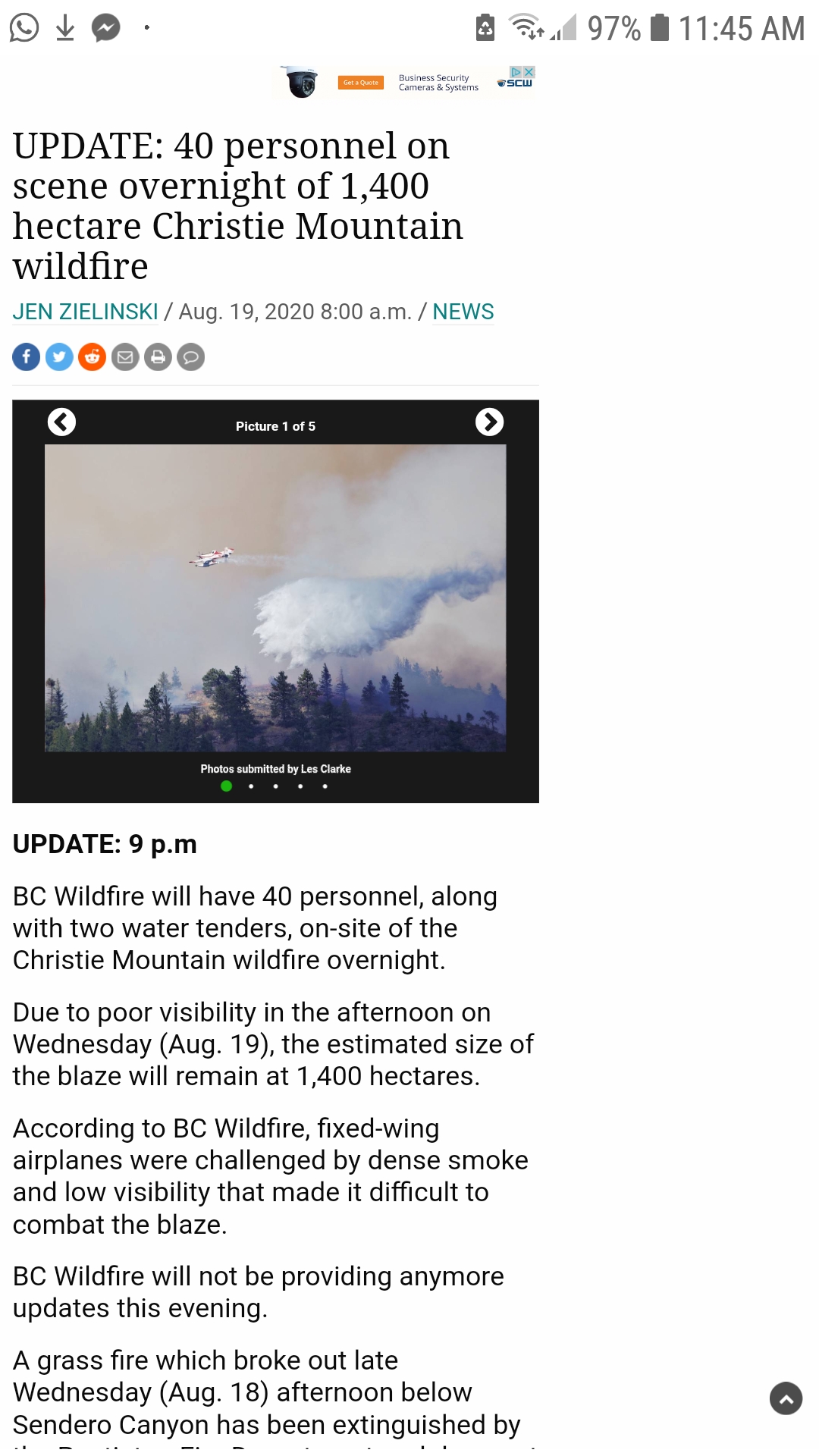


Take a look at the timelapse of the Okanagan above, to see how our land has become transformed, deforested, uprooted, and drought struck over time, bringing us the worst forest fires in our history in the past two decades. ✌🌲🌲🌲🔥🔥🔥


Related Articles:

BC Government & Media LYING about the Cause of Revelstoke FIRES


#OkanaganValley #okanaganfires  #BCfires #Savetheforest #savethetrees #savethepeople #genocide #depopulation #agenda21 #deforestation #canada #SLAVERY #bankers #globalism #globalwarming #climatechange 

Wednesday, 19 August 2020

BC Government & Media LYING about the Cause of Revelstoke FIRES

It looks like the BC Government and corporate-owned media is clearly covering up for the Lumber Industry fire havoc caused once again. The Nelson Star, along with other media outlets, just reported a story with the headline, "Lightning blamed for multiple fire starts across Kootenays". They should change that headline to "LUMBER Industry to blame for multiple fire starts across BC". It can clearly be seen in photos that these FIRES are being started right NEXT TO areas of deforestation, with combustible lumber wood remains clear-cut by the LUMBER industry:

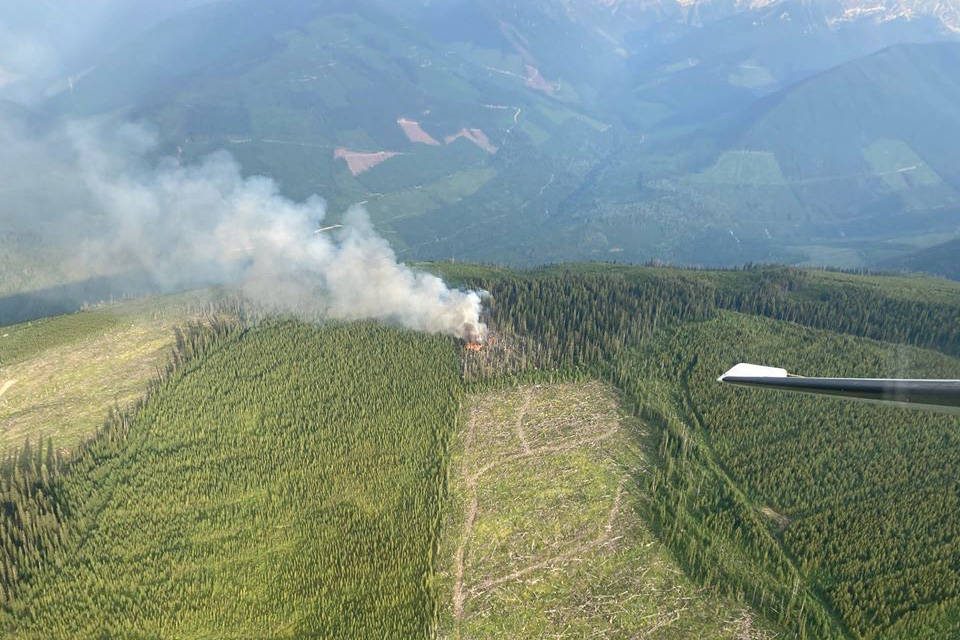
The B.C. Wildfire Service: Lightning caused four small fires to break out on or near Revelstoke’s Mt. Begbie overnight Saturday, Aug. 1. Notice where this fire started - right next to a zone that has been clear-cut of trees. You can also see the logging truck trails.


Not only does the lumber industry cut down trees to sell to China and the global market, at the expense of our FOREST FIRES, but it also leaves these forests DRY and lacking moisture, along with combustible piles of dead wood that is PRONE to catching on fire from heat or lightning. Corporate-owned media outlets will never bring real light to this issue of ongoing forest fires in Western Canada.


According to the Wilderness Committee, an organization aiming to protect biological diversity in Canada, there are several planned logging cuts by BC Timber Sales below the mountain (Mt Begbie in Revelstoke). The area already has been logged multiple times. According to the Ministry of Energy, Mines and Petroleum Resources, Mt. Begbie has deposits of lithium and demand for that rare metal is expected to double, soon. It’s used extensively in making batteries. (Penticton Western News)


A typical clear-cut area of deforested combustible wood debris ready to catch fire near Revelstoke, BC. With the trained eye, these areas are easy to spot while driving through BC and western Alberta.


Deforested patches of land ready to catch fire. These can be seen in numerous mountainsides. When the next fire catches in these areas, you can be sure that lightning and thunderstorms will be to blame.


The typical remains of a deforested area cleared by the lumber industry, with the help of BC Forestry. All that's left are combustible piles of dead wooden debris, just waiting to catch fire. 

Logging and deforestation has caused this once-lush area of past forest and thick tree cover to easily catch fire.

Another forest fire started in a deforested zone, creating a "dry pocket" that is easily prone to fires.


Another fire which has started in a logging zone. You can see the logging route and patch of trees that have been cleared away.


When will the truth come out? When will politicians stop ignorantly blaming climate warming and CO2 emissions for these forest fires occurring in and around logging zones, while omitting the reckless practices of our money-hungry industries? And let's not forget the role of old-growth forests on climate stability, climate-cooling, and preventing fires. We cannot simply cut down hectares of large, old trees and replace them with tiny saplings, expecting that will save our environment and prevent rampaging fires. 


Related Articles:

Logging debris EXACERBATED Shovel Lake fire
SHOCKING: LUMBER Industry RESPONSIBLE for BC Forest Fires
Did Massive Deforestation Cause the Fires of 1910?
Logging Industry Will Cause More Fires and More BREATHING Problems

Sources:

Lightning blamed for multiple fire starts across Kootenays
Fires ignite on Revelstoke’s Mt. Begbie; Kamloops Fire Centre blazes holding


Wednesday, 1 July 2020

Alberta DOPPLER Station Causing Tornado Weather Conditions

Today's #weather warning for #Alberta #Calgary warn of #tornado and dangerous weather ... the question we should be asking ourselves is WHY this LOW pressure zone is directly above the powerful CARVEL weather DOPPLER transmitter station! Compared with Calgary and Edmonton, Carvel has the lowest atmospheric pressure and cloud ceiling - coincidence? Hopefully people will understand soon how these giant transmitters akin to #Haarp are creating low pressure zones in our atmosphere and influencing the jetstream. How's that for climate change?

#climatechange #weathermodification #globalwarming #geoengineering #chemtrails #nexrad #tornado #alberta #calgary #calgarystorm #albertastorm #albertatornado #calgarytornado #weathernetwork #weatherchannel


Wednesday, 10 June 2020

Canadian Government Causing Weather Havoc

Instead of dealing with the real problem at hand, being how logging creates the perfect environment for fires to start (read more here), the Canadian government has been quietly relying on weather modification experiments, including cloud-seeding .... and in British Columbia, it's causing this : 


And in Saskatchewan, it's causing this ....


Environment Canada is conducting simulated geo-engineering experiments to control climate change. Federal government documents received by former B.C. premier Bill Vander Zalm through a freedom of information request define geo-engineering as the modification of Earth systems. The document notes that geo-engineering methods are classified into two groups: solar radiation management, and carbon dioxide removal from the atmosphere. The briefing paper was prepared in advance of a top-level inter-agency meeting convened by Environment Canada to discuss matters about geo-engineering options to address climate change. (To see how this ties into the Bill Gates agenda, read this article here. ) Last summer, Vander Zalm requested information on climate-control engineering being done by the government. Many suspect that cloud-like streams left by airplanes are chemical trails, or “chemtrails” that contain unknown substances used to alter the weather. The former B.C. premier received 47 pages of documents from the federal government. Six pages were blank, and 10 pages had some portions blacked out. The retired politician said that the papers prove that Canada is into geo-engineering. “There’s no doubt about it,” Vander Zalm told the Straight by phone. “As to what extent and what they’re spending and where they’re doing it, we don’t know exactly.” (Straight News). 


Some problems: One issue is where the rain would have fallen if you hadn't cloud seeded. Does a cloud seeding event in Alberta keep a farmer in Saskatchewan from getting rain that he or she might have received?" "So you're extracting moisture from the atmosphere. That's absolutely correct. However, these clouds would not precipitate in the area," said Friedrich. "They can evaporate and maybe they fall down as precipitation over the ocean [or another area]." (CBC)


Related:

WHY DID THE BC GOVERNMENT REPEAL THE WEATHER MODIFICATION ACT ?

Environment Canada : Stop all cloud seeding operations in the province of Alberta

Bill Gates, Harvard, Began Blocking Sun In Spring Of 2019

Sunday, 31 May 2020

BC's Northern Fires Deliberately Set for Proposed Pipeline?

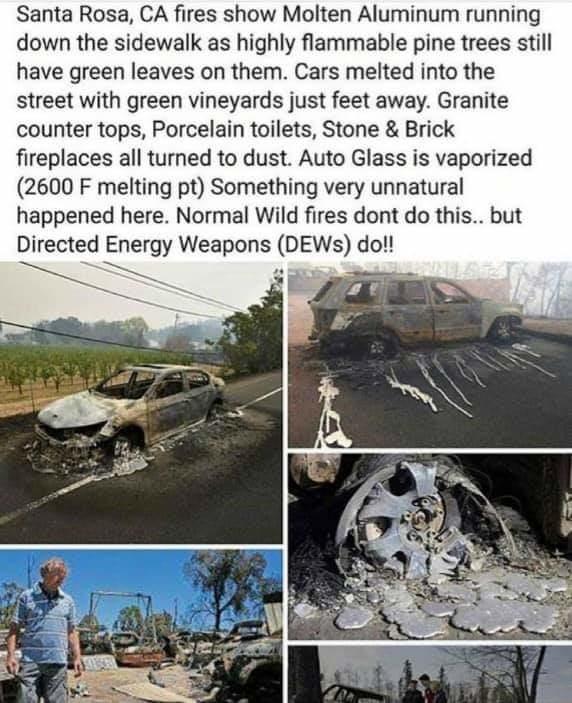
A warning to northern First Nations - guard your land and watch out for new fires this year. Pray to Creator for an abundance of rain this summer, and perform ceremonies that bring rain. Those in power may use DEW lasers that were used in the California fires to force people to evacuate land, including deliberate human-caused fires. The California fires were a deliberate land grab, and also conveniently used after the Australia fires, where the train line was being built. If you're not sure what DEW is, just do a Google image search of "california fires DEW laser" and look at the obvious damage done.

First Nations in Western BC and across Canada are all united and stand together for a very important matter: OPPOSING the Northern Gateway Pipeline and its corruption ... that are partnered with PetroChina and others, who Canada plans on selling to in our GLOBAL economy. There were numerous protests in Canada against the pipeline that were taking place just before the official quarantine was announced - but new COVID19 regulations have conveniently made it hard to organize protests. Alberta’s energy minister says it’s a good time to build the pipeline because public health restrictions limit protests against them - how convenient.


Take note that communities from Bella Coola, Kitimat, and elsewhere are actively involved in standing against this pipeline development that will be passing through First Nations land. Now read some of the headlines below ...
A Bella Coola Harbour landmark has been destroyed by a fire police believe was deliberately set. The BC Packers building known as the Old Cannery was consumed by the blaze which occurred just before midnight Thursday night, June 27.Jun 29, 2019

Between June 10, 2018 and Sept. 2, 2018, there have been four separate suspicious fires on Bella Coola Nuxalk Nation lands; a home in the 900 block of Four Mile, an abandoned trailer in the 800 Block of Four Mile, gas cans set on fire near an apartment in Four Mile as well as a home in the 800 Block of Snuqaax Mamnta have all been the scenes of fire.

“We believe these fires were deliberately set,” said Sgt Rick Skolrood, RCMP NCO In Charge of the Bella Coola detachment.

“No one’s been harmed but there is always a potential so we are taking it very seriously.”


Apr 5, 2012 - The Nuxalk First Nation of Bella Coola announced Thursday it is pulling ... handling of recent hearings in the neighbouring community of Bella Bella. ... after the Heiltsuk Tribal Council greeted panel members with a protest.


Logging debris EXACERBATED Shovel Lake fire

Let's not forget this, as the media raves on about Global Warming being the main reason for these fires ...


Decked timber and logging debris in the Shovel Lake Wildfire made firefighting more difficult, according to a complaint investigation report.

A member of a wildfire response team complained to the board in 2018 after seeing large amounts of logs and debris on the ground. He was concerned the material contributed to the spread and severity of the fire.

The investigation looked at over a dozen cutblocks within the perimeter of the fire to determine whether the forest licensees had met legal requirements to abate fire hazards. The investigation found that the licensees had either abated the hazards as required or the time period allowed for hazard abatement had not yet passed. In some cases, the licensees were still actively logging when the fire swept through, so the decked logs and debris were consumed by the fire before the licensees had a chance to deal with the hazard.

“We found that the licensees did what they were required to do,” said Kevin Kriese, chair of the Forest Practices Board. “In areas like this with very high fuel levels caused by mountain pine beetle, logging will reduce the risk of fire over the long term. However, the investigation found that current requirements could be improved by reducing the time before abatement is required and reducing the amount of fuel that can be left behind.

“The BC Wildfire Service has established a working group to look at the current hazard abatement strategy. The board is recommending that review include the length of time before the hazard has to be treated and the amount of fuels permitted to be left on-site after abatement. The review should consider other values, including smoke, biodiversity, carbon sequestration and silviculture requirements.”

The Forest Practices Board is B.C.’s independent watchdog for sound forest and range practices, reporting its findings and recommendations directly to the public and government. The board investigates public complaints about forest and range practices on public lands and appropriateness of government enforcement. It can also make recommendations for improvement to practices and legislation.

Source: https://pgdailynews.ca/index.php/2019/04/03/logging-debris-exacerbated-shovel-lake-fire-but-rules-were-followed/

Saturday, 9 May 2020

Did Massive Deforestation Cause the Fires of 1910?

In the summer of 1910, a devastating series of forest fires swept over Idaho, Montana, and Washington, culminating on August 20–21 in what is known as the "Big Blowup." Official reports after the Big Blowup estimated that 1,736 total fires burned more than 3 million acres of private and federal land and consumed an estimated 7.5 billion board feet of timber. At least 85 people were killed. Several small towns were completely destroyed, and one-third of Wallace was burned. Smoke from the fires reached New England and soot travelled all the way to Greenland. Nationally, wildfires in 1910 consumed more than 5 million acres. The Lake States region saw its worst fire season ever, with more than a million acres lost. (Forest History Society)

It is strongly recommended that you read our previous post, entitled Lumber Industry Responsible for BC Fires, which shows the clear link between forest fires and active logging. Imagine how many giant red cedars and giant old trees were cut down during the early 1900s (see photos below), and just think how much moisture those massive roots retained underground, as well as their contribution to evapotranspiration. Now consider what else was happening during the early 1900s:

Between 1900 and 1930, multiple lumber mills were put into place, which accelerated the pace of logging in the region. In 1906, a land clearing forest fire that started near Leek road in Roberts Creek got out of hand and spread more than 5 kilometers towards Gibsons. Although no lives were lost, the fire destroyed a sawmill near Payne Creek, along with the majority of the flume it used, as well as most of the standing timber in the area. This frightening event halted logging in the vicinity for almost 20 years, but also served to open it up for more settlement. (Sunshine Coast Museum and Archives)
Native Americans used fire throughout North America for thousands of years and influenced the
ecosystems and fire regimes of the areas they inhabited. Native American use of the natural
environment was limited to meeting personal and communal needs rather than intense market
oriented production. In estimating the impact of Native Americans on fire regimes in U.S. Day
(Day 1953) considered the duration of occupation of the landscape, population density,
population concentration and movement, and local patterns of settlement and location of village
sites in the northeastern US. Over the past 300 years the influence of Native American burning
appears to be increasingly less significant compared to the impact of European settlement and the
influence of modern era human activities notably agriculture, industrialization, and contemporary land use. (Pyne 1982) - (Fire History and Climate Change)